.png)
Autodesk Education, Done Like a Live Project: Build Bid‑Ready BIM Habits from Day One
Most Autodesk Education still treats software like a set of abstract tools, not a real project challenge. That leaves you with skills that don’t match the workflows or standards needed on the job. When training mimics live project demands, your team builds BIM habits that speed up documentation, reduce rework, and deliver bid-ready outputs with confidence. This is how project-based Autodesk training in Australia sharpens your edge for faster, more coordinated BIM delivery.
Autodesk Education: Industry Readiness Pathway
Autodesk Education can be more than just learning software. It's about preparing for real-world demands. Let’s see how this approach benefits you.
Real-World Project Workflows
Imagine your skills aligning immediately with project needs. This is possible when you learn through real-world project workflows.
By focusing on practical applications, you get to work with real-time challenges, just like on a live project. This approach ensures your skills are not only theoretical but actionable. The training is designed to reflect actual industry practices, making you ready for the field from day one. Your learning is constantly validated through real project scenarios, boosting your confidence and competence.
Building Bid-Ready BIM Habits
Developing the right habits is crucial for success. With project-based Autodesk training, you build these habits seamlessly.
The training helps you understand the nuances of creating bid-ready BIM outputs. You'll learn to produce documentation that is not just accurate but also efficient. By engaging with real project frameworks, you start to anticipate challenges and develop solutions on the go. This proactive learning style is what sets you apart, ensuring that you're always one step ahead in delivering high-quality work.
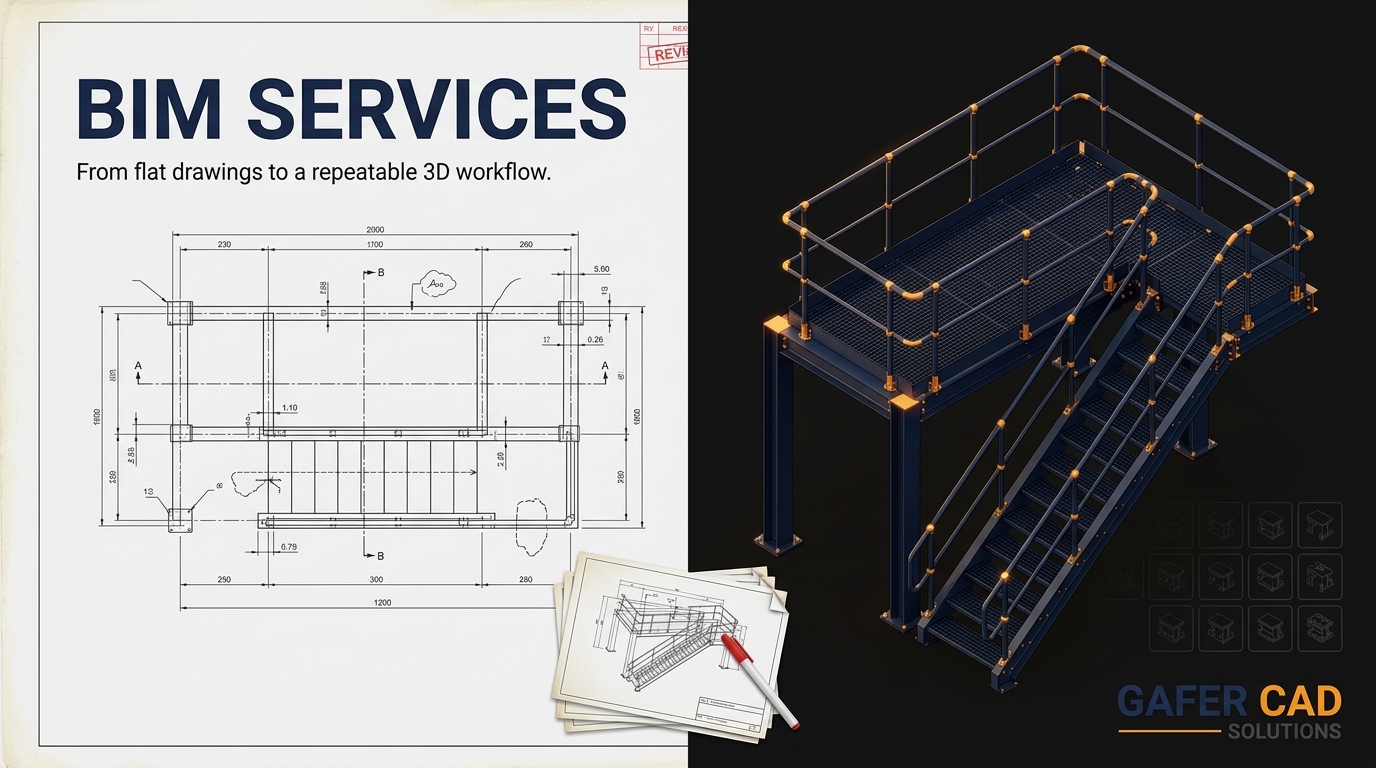
From 2D to 3D BIM: A New Era
The transition from 2D to 3D BIM marks a significant shift. It’s not just about better visuals; it’s about improved accuracy and efficiency.
Transitioning to Parametric Modelling
The move to parametric modelling is transformative. It changes how projects are visualized and executed.
With 3D BIM, you create models that are responsive and intuitive. These models adjust parameters automatically, saving time and reducing errors. By embracing parametric modelling, you contribute to a workflow where changes are easily managed, and outputs are consistently high-quality. This transition empowers you to handle complex projects with ease, ensuring that every detail is accounted for and accurately represented.
Reusable Modelling Workflows
Efficiency is key in any project. Reusable modelling workflows ensure that your efforts are maximized.
Creating reusable workflows means developing models that can be adapted across various projects. This not only saves time but also enhances consistency and quality. When you have a library of model components, project delivery becomes faster and more reliable. You’re not starting from scratch each time; instead, you build upon proven elements, ensuring efficiency and precision in every project you undertake.
Training for Future Success
The right training sets the foundation for future success, equipping you with skills that are both relevant and forward-thinking.
Standards and Templates in Practice
Understanding and implementing standards is a crucial part of your training. It ensures consistency and quality.
By using standardized templates and practices, you ensure that your work adheres to industry norms. This approach reduces errors and enhances coordination, making your outputs more reliable. Templates serve as a guide, ensuring that all aspects of your project meet the required standards. This structured approach not only enhances your credibility but also streamlines your workflow, making you a valuable asset in any project team.
Strengthening Bid Confidence
Confidence in your bids is built through the mastery of skills and standards. It's about showing capability and readiness.
When your training focuses on practical skills and standards, your bid confidence naturally increases. You know that your documentation is accurate and ready for presentation. This confidence is backed by the knowledge that your work aligns with industry expectations, making your proposals compelling and reliable. By honing these skills, you position yourself as a competent professional ready to take on any project challenge.
Frequently Asked Questions
How does Autodesk Education prepare me for real-world projects?
Autodesk Education focuses on real-world project workflows, ensuring that your skills match industry demands. By engaging with live project scenarios, you gain practical experience that prepares you for actual job tasks.
What is the benefit of transitioning from 2D to 3D BIM?
Transitioning to 3D BIM improves accuracy and efficiency. It allows for better visualization and management of changes, ensuring high-quality outputs and streamlined workflows.
How do reusable modelling workflows enhance project efficiency?
Reusable modelling workflows save time and ensure consistency. By using adaptable model components, you enhance project delivery speed and maintain high-quality standards across various projects.
Why are standards and templates important in Autodesk training?
Standards and templates ensure consistency and quality in your work. They reduce errors and enhance coordination, making your outputs reliable and aligned with industry norms.
How does the training improve bid confidence?
Training focusing on practical skills and standards enhances bid confidence by ensuring your documentation is accurate and meets industry expectations. This makes your proposals compelling and trustworthy.
Comments