.png)
BIM services that turn drafting into a repeatable operational system
Most Australian teams still trapped in 2D drafting waste hours fixing the same errors with every revision. Moving to a standardised 3D workflow cuts those delays, slashes rework, and boosts accuracy across projects. In this post, you’ll see how tailored BIM services Australia-wide turn drafting from a one-off task into a reliable system that speeds delivery under deadline pressure.
From Drafting to Repeatable System
The move from 2D to 3D has revolutionised drafting, turning it into a consistent, repeatable system. This transition cuts unnecessary revisions and sets a solid foundation for delivering projects faster and more accurately. Let's explore how this shift breaks old constraints.
Breaking Free from 2D Constraints
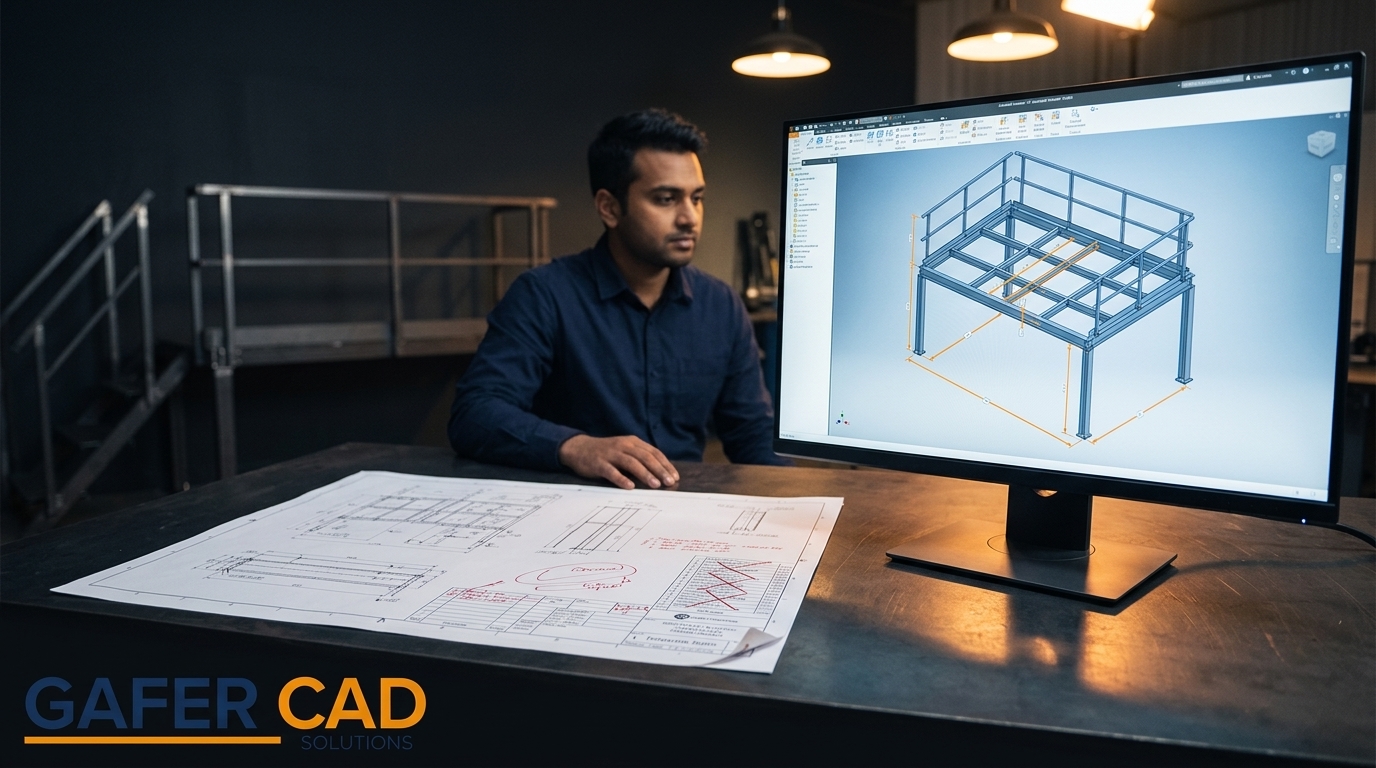
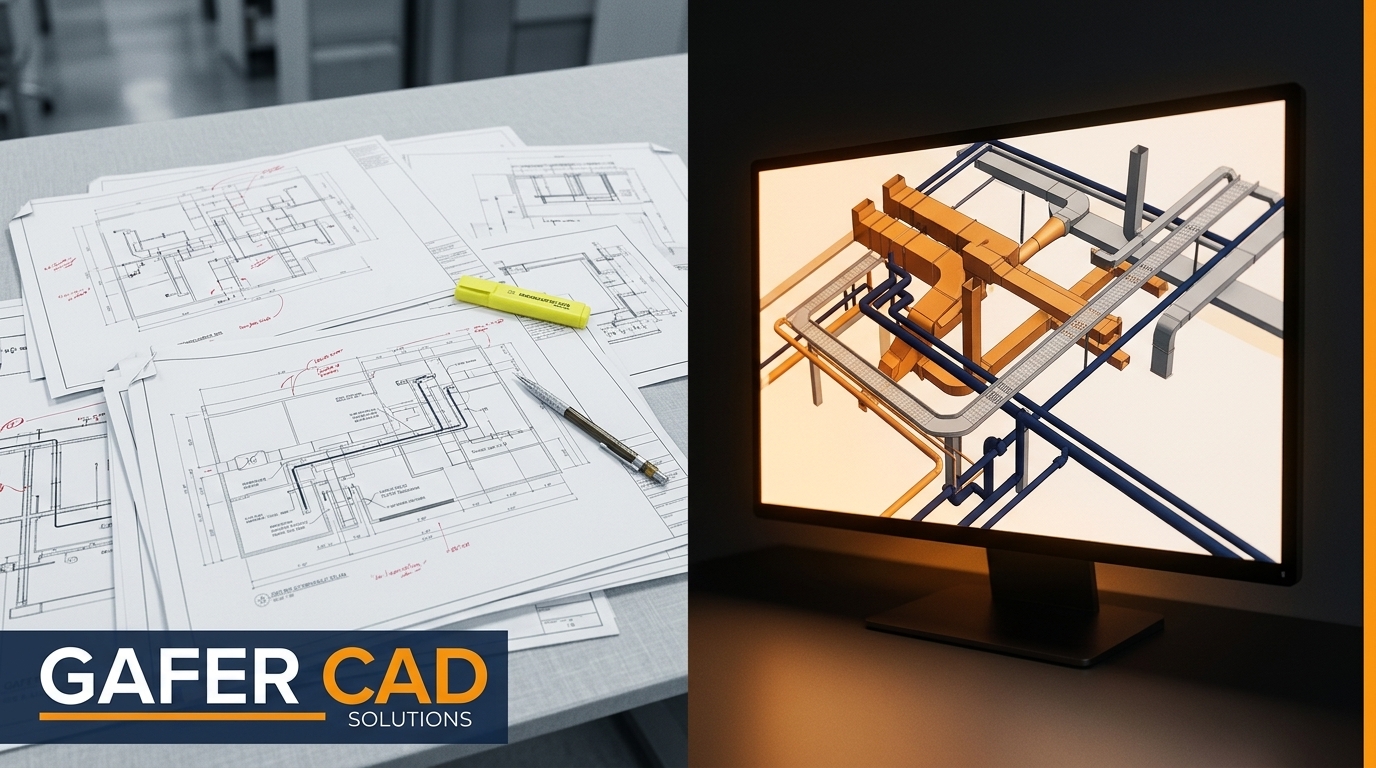
Imagine spending hours redoing the same work. That's the struggle with 2D drafting. It often leads to repeated errors and constant revisions. By shifting to a 3D workflow, you eliminate these issues. When you work with 3D, you create a model that visually represents the project, reducing the chances of misunderstanding. This approach saves time, letting your team focus on quality.
3D models also make it easier to spot potential problems before they happen. You can see the project in a digital space, which gives you a clear understanding of how everything fits together. This visual clarity is something 2D drawings can't provide, helping you make informed decisions early in the process.
The Power of Parametric Content
Parametric content is a game changer in drafting. It allows you to create adaptable models that automatically adjust to changes. This means fewer errors and less time spent on revisions. For example, if a dimension changes, the model updates automatically. This saves you the hassle of redrawing each component manually.
Having a library of parametric content at your disposal speeds up the drafting process. You can reuse models for different projects, ensuring consistency and saving time. Think of it as a toolkit that grows with each use, making future projects quicker and more efficient.
Embracing Standardised 3D Workflows
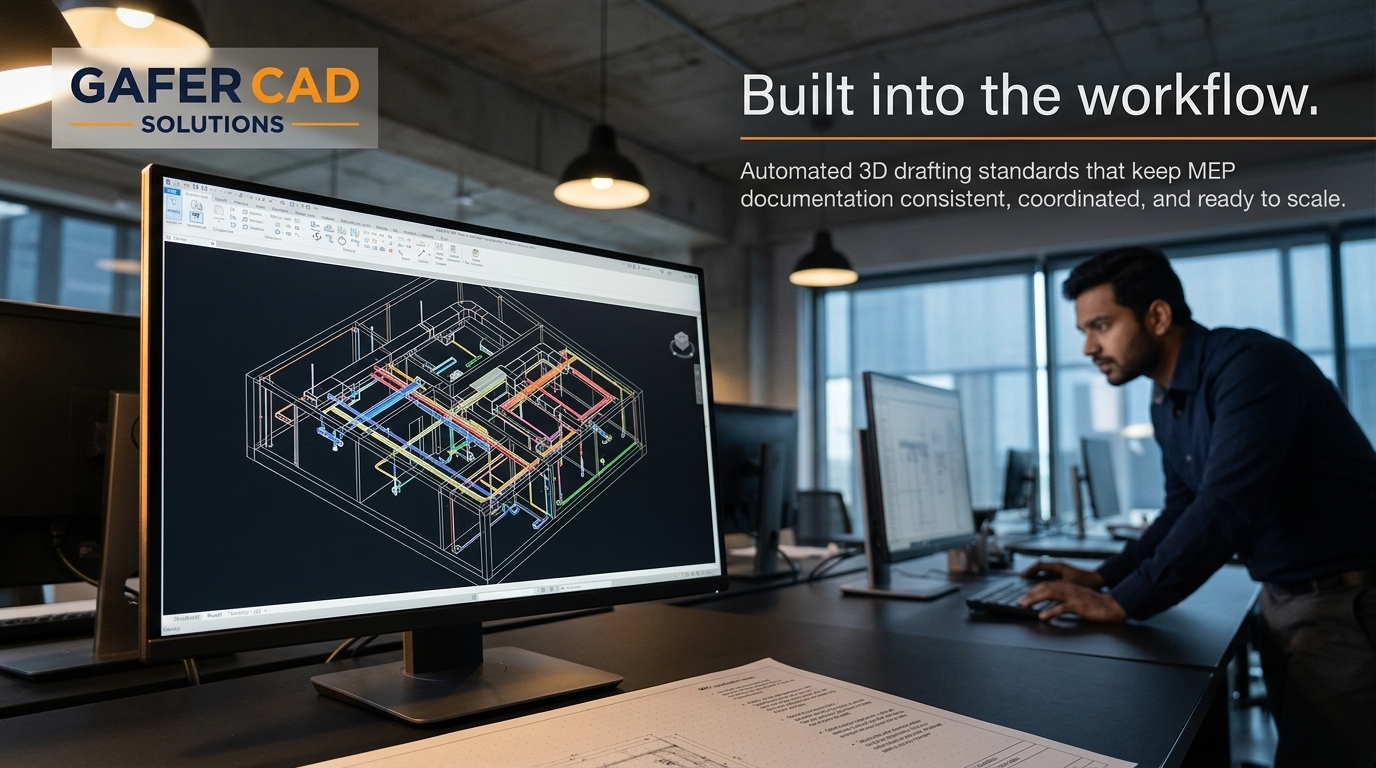
Standardisation is key to efficiency. By adopting a standardised 3D workflow, you ensure every team member is on the same page. This consistency leads to fewer mistakes and smoother collaboration. A 3D workflow allows different teams to work on the same model simultaneously, reducing the time spent on coordination.
When 3D standards are in place, onboarding new team members becomes easier. They can quickly understand the workflow and get up to speed, further boosting your team's productivity. This is the backbone of a robust 3D drafting process, setting the stage for more advanced BIM implementations.
Key Components of BIM Services
BIM services are built on a foundation of standards, libraries, and training. These components are essential for transforming drafting into a repeatable, efficient process. Let's delve into what makes them crucial.
Drafting Standards and BEP
Drafting standards are a cornerstone of effective BIM services. They provide the guidelines for creating consistent, high-quality models. A BIM Execution Plan (BEP) outlines how these standards are applied in practice, ensuring everyone follows the same procedures.
A well-defined BEP helps avoid confusion and keeps projects on track. It sets the expectations for everyone involved, reducing misunderstandings and ensuring a smooth workflow. This is the blueprint for success, guiding your team from start to finish with clarity.
Parametric Libraries for Efficiency
Parametric libraries are collections of reusable components that streamline the drafting process. They allow you to quickly insert pre-designed elements into your model, saving time and maintaining consistency across projects. This efficiency boost is invaluable, especially when under tight deadlines.
By investing in robust parametric libraries, you equip your team with the tools to deliver high-quality work faster. These libraries grow with each project, expanding your resources and enhancing future workflows. It's an investment that pays off in speed and reliability.
Workflow Enablement and Training
Training is crucial to making the most of BIM services. It empowers your team to use these tools effectively, ensuring everyone knows how to leverage the technology. Workflow enablement goes hand in hand with training, providing the support needed to apply new skills in real-world scenarios.
Regular training sessions keep your team updated on the latest advancements, allowing you to stay competitive in the industry. Well-trained staff can adapt to challenges more easily, ensuring your projects are completed on time and to a high standard.
Benefits of a Standardised 3D Workflow
The shift to 3D brings a wealth of benefits. From reducing rework to enhancing accuracy, a standardised 3D workflow is a catalyst for improved project delivery. Let's explore the advantages it offers.
Reducing Rework in Drafting
Rework is a major time sink in drafting. With a 3D workflow, you minimise the chances of errors, reducing the need for revisions. This efficiency means projects progress smoothly, and deadlines are met without stress. It's a win-win for everyone involved.
By catching potential issues early, you avoid costly last-minute changes. This proactive approach ensures your project stays on track, saving both time and resources. The fewer the revisions, the more focus you can place on quality and creativity.
Enhancing Accuracy and Coordination
3D models enhance accuracy by providing a comprehensive view of the project. This clarity improves coordination among team members, reducing the risk of errors. Accurate models ensure that everyone is working towards the same goal, enhancing collaboration and trust.
Coordination is crucial in complex projects. With a 3D workflow, different teams can work in harmony, reducing the time spent correcting mistakes. This synergy leads to better outcomes and a more efficient use of resources.
Meeting Deadlines with Confidence
Deadlines are a constant pressure in the industry. A standardised 3D workflow boosts your confidence in meeting them. With fewer mistakes and a clearer understanding of the project, you can deliver on time without compromising quality.
This confidence extends beyond the immediate project. With a reliable system in place, you're better prepared for future challenges, ensuring consistent performance across all your endeavours. It's about building a reputation for reliability and excellence.
Frequently Asked Questions
What are the main benefits of switching to a 3D workflow?
Switching to a 3D workflow reduces errors, speeds up the drafting process, and enhances collaboration. It provides a clear visual representation of the project, helping teams make more informed decisions.
How do parametric libraries improve drafting efficiency?
Parametric libraries contain reusable components that can be quickly inserted into models. This saves time and ensures consistency across projects, making the drafting process more efficient.
Why is training important in implementing BIM services?
Training equips your team with the skills needed to use BIM tools effectively. It ensures everyone can leverage the technology to its fullest potential, leading to better project outcomes and a more competitive edge.
Comments