.png)
Project Coordinator Jobs: From Chasing Revisions to Running a Standardised 3D Workflow
Drafting standards out of sync turn project coordination into a constant scramble. You know the drill: chasing revisions, juggling approvals, and hoping nothing falls through the cracks. What if your workflow gave you one clear, repeatable process that keeps every update aligned across the team? Automated 3D parametric workflows do exactly that, cutting rework and easing deadline pressure in project coordinator jobs across Australia. Explore more about streamlining 3D workflows with advanced software solutions.
The Project Coordinator's Role
In the fast-paced world of construction and manufacturing, project coordinators play a crucial role. They manage timelines, ensure standards are met, and keep everything on track.
Navigating 2D Handoffs
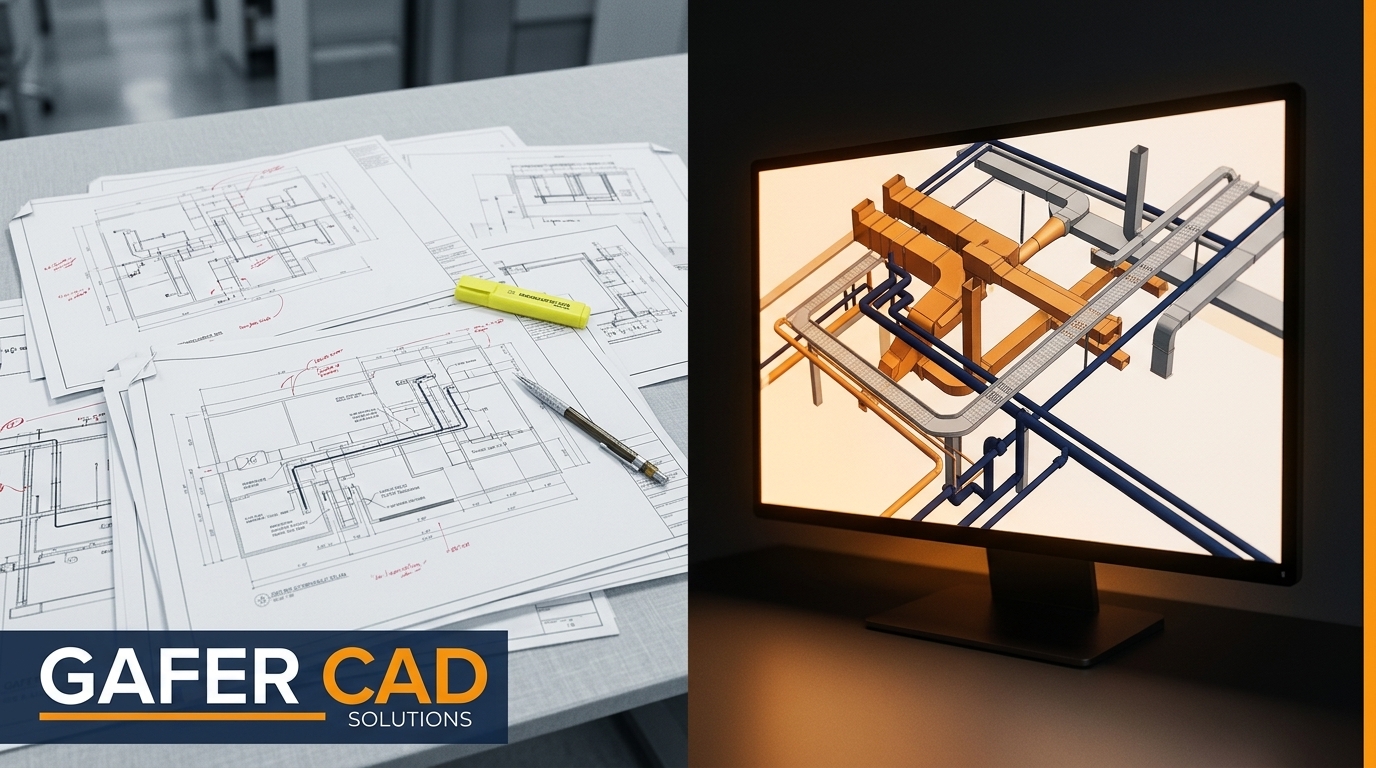
As a project coordinator, you've likely experienced the frustration of dealing with 2D handoffs. The process often involves interpreting flat drawings that leave room for misinterpretation. You might spend countless hours clarifying details and coordinating between teams to ensure everyone is on the same page. This can lead to delays, as errors become apparent only after fabrication begins, resulting in rework and increased costs.
The reliance on 2D drawings creates a bottleneck in your workflow. When teams struggle to interpret the designs, the entire project timeline suffers. Misunderstandings breed mistakes, and mistakes demand corrections, pushing deadlines further out of reach. The key insight here is that 2D drawings can complicate rather than clarify your project coordination efforts.
Impact of Inconsistent Standards
Inconsistent drafting standards pose an additional challenge. When every team uses slightly different methods, it becomes difficult to keep everyone aligned. You end up chasing updates and managing avoidable gaps in communication. This is where the real chaos begins: revisions pile up, approvals slow down, and you are left scrambling to maintain order. The inconsistency not only drains time but also increases the risk of costly errors and miscommunications.
The longer you operate under inconsistent standards, the more you feel the pressure mounting. Deadlines loom larger, and the margin for error narrows. Without a unified process, project coordination becomes a constant battle against the clock, with your efficiency suffering as a result.
3D Workflows: A Game Changer
Switching to a 3D workflow offers a transformative solution for project coordinators. By standardising drafting processes, you can regain control and reduce risks.
Benefits of Standardised Drafting
Standardised drafting in a 3D environment offers clear benefits. It simplifies communication, as all team members work from a consistent set of standards. This uniformity ensures that everyone interprets the designs in the same way, reducing misunderstandings and errors. As a result, your team can deliver projects faster and with greater accuracy.
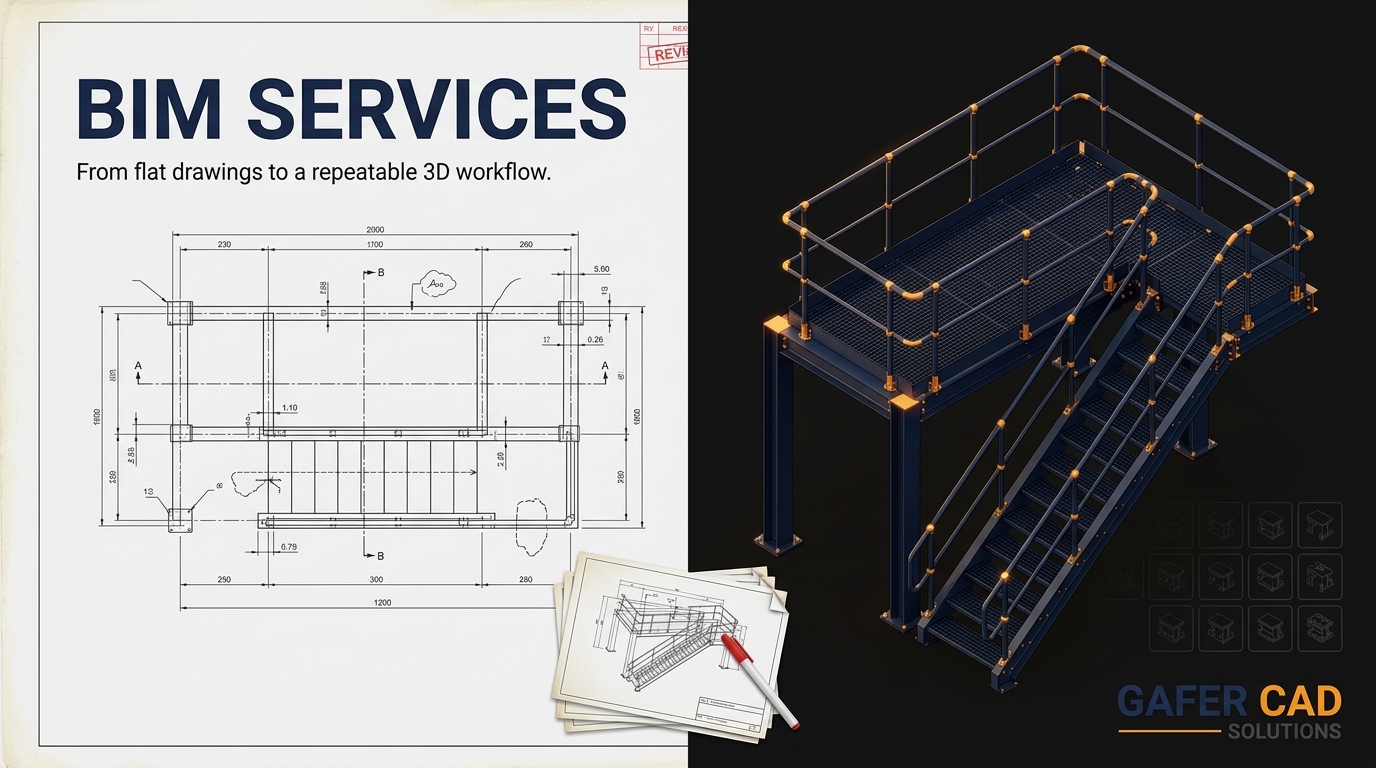
Imagine a scenario where each team member accesses the same 3D model, understanding the design intent without the need for endless clarifications. This clarity cuts down on revisions, allowing you to meet deadlines with confidence. The shift from 2D to 3D removes ambiguity, making your coordination role smoother and more effective.
How Automation Reduces Risk
Automation within a 3D parametric workflow further minimises risks. By automating repetitive tasks, you free up valuable time to focus on more strategic aspects of project coordination. With automated systems in place, you can ensure that updates are applied consistently, reducing the chance of human error.
Imagine being able to make a change in one part of the model and see it automatically updated throughout the project. This level of integration streamlines the entire process, from initial drafts to final approvals. The reduction in manual handling also decreases the likelihood of mistakes, ensuring a higher level of quality and consistency in your projects.
Transitioning to BIM and 3D
Embracing BIM and 3D technology is the next step for project coordinators looking to improve efficiency and outcomes.
From 2D to 3D Transition
Transitioning from 2D to 3D requires a shift in mindset. It’s about moving beyond the limitations of flat drawings and embracing a more dynamic way of working. The transition involves not just adopting new software but also rethinking how information is managed and shared across teams.
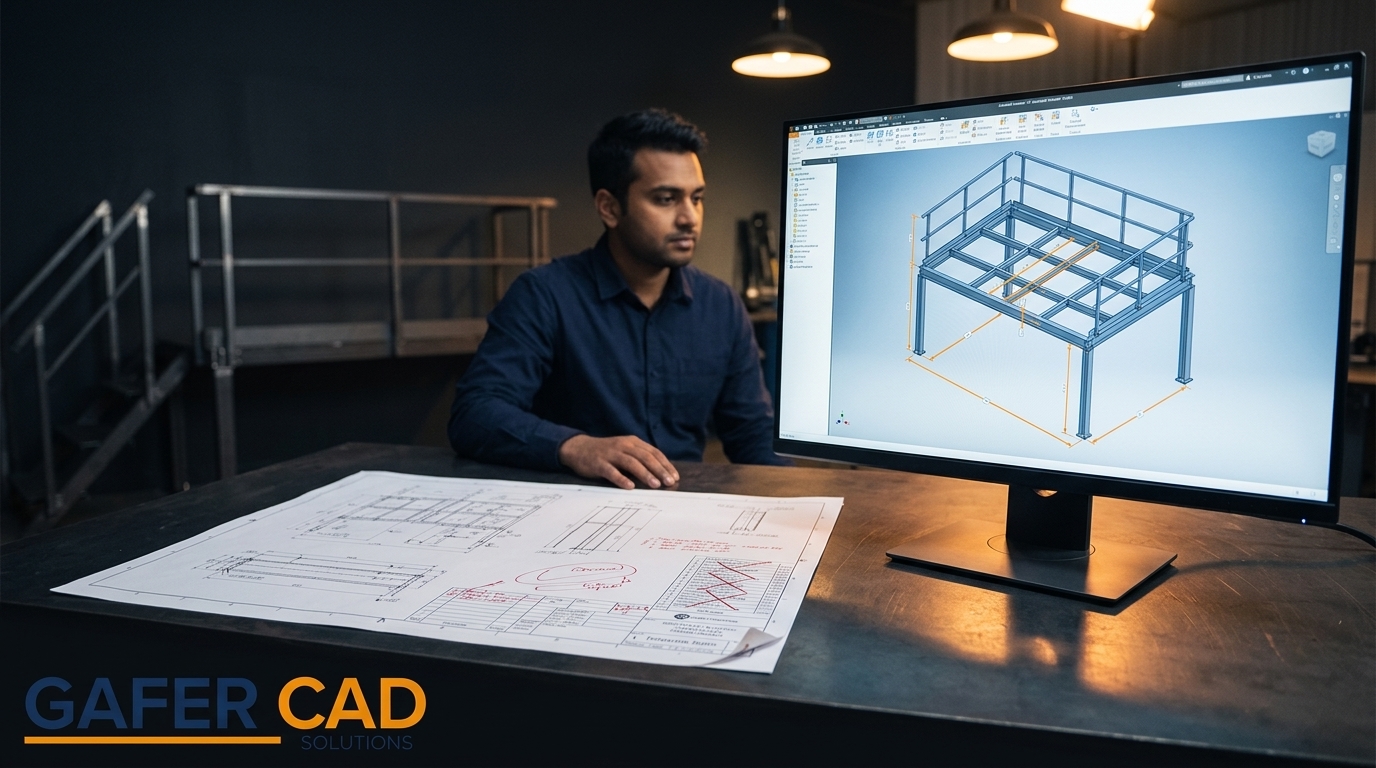
The process starts by understanding the benefits that 3D parametric modelling brings. With tools like Revit, Advance Steel, and SolidWorks, you can create detailed models that provide a holistic view of the project. This transition enables better planning and execution, reducing the likelihood of costly on-site modifications. The key takeaway: by moving to 3D, you enhance your ability to deliver projects on time and within budget.
Real-World Success Stories
Real-world examples illustrate the power of transitioning to BIM and 3D workflows. Companies that have adopted these technologies report significant improvements in project delivery and coordination. For instance, using Revit documentation has been shown to streamline drafting to be up to three times more efficient.
Consider a construction project where automated workflows and standardised processes led to a substantial reduction in errors. By leveraging BIM content libraries, project teams were able to ensure consistency and accuracy across all stages of development. These success stories demonstrate that embracing 3D workflows isn’t just a technological upgrade; it’s a strategic move that enhances project delivery efficiency.
Frequently Asked Questions
What are the benefits of switching from 2D to 3D workflows?
Switching to 3D workflows provides several benefits, including improved accuracy, better communication among team members, and reduced risk of errors. It allows teams to visualise projects more effectively and make necessary adjustments earlier in the process, saving both time and money.
How does automation help in project coordination?
Automation streamlines project coordination by reducing repetitive tasks and ensuring consistent updates across all documents. This minimises the potential for human error and frees up time for coordinators to focus on more strategic aspects of the project.
What industries benefit from 3D parametric workflows?
Industries such as construction, manufacturing, and mining benefit significantly from 3D parametric workflows. These workflows enhance the ability to manage complex projects, reduce the risk of errors, and improve overall project coordination.
Comments